Insights on AI optimization, brand trust, and digital marketing strategies
Mastering writing techniques for AI citations isn't optional anymore. Visitors coming from AI search experiences are 4.4 times more likely to convert than those from traditional search. Generative Engine Optimization is becoming as critical as SEO. This piece will show you proven writing skills and strategies to boost your AI visibility and get your content cited.
LLM search has evolved beyond text-based queries into a multimodal ecosystem where visual content shapes AI visibility as powerfully as traditional keywords. This shift creates a point often overlooked: visual assets generate semantic signals that determine whether your brand appears in AI-generated responses. GEO now requires visual optimization strategies, as well as AI search tracking to measure performance. Mastering machine-readable visual content determines competitive advantage in AEO.
AI systems achieve 300% higher accuracy when content has schema markup—GPT-5's accuracy jumps from 16% to 54% with structured data alone. Understanding what schema markup is and how to implement it for Generative Engine Optimization has become critical. We'll walk you through the 2026 schema landscape and cover which AI platforms actually use structured data, schema markup examples that drive citations, and practical implementation strategies to boost your AI visibility platform performance.
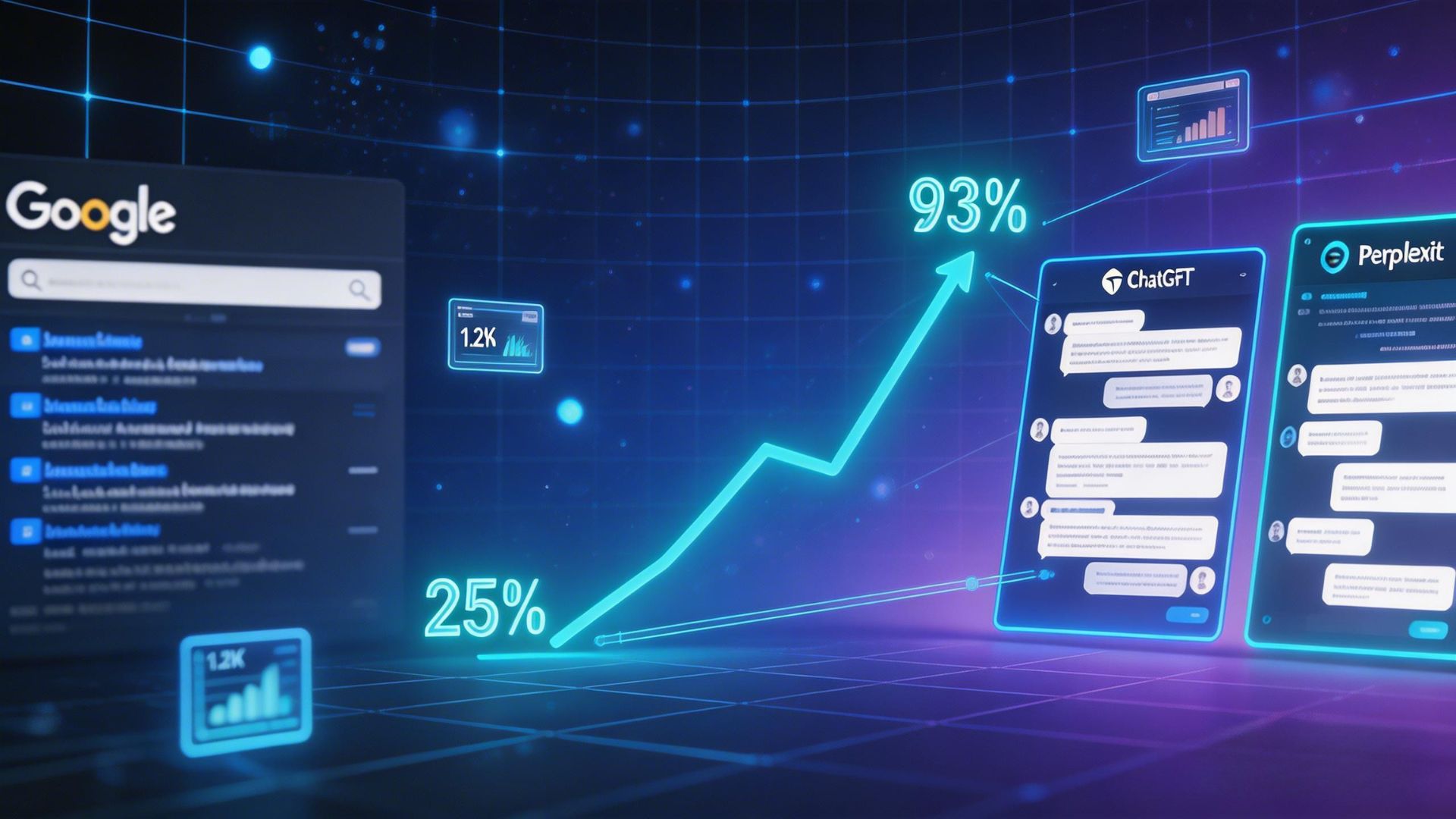
Your content could be ranking #1 in traditional Google search, and users still won't click it. That's the new reality as AI-powered search engines like ChatGPT and Perplexity reshape how people find information. Generative Engine Optimization has become critical for brands that want to appear in AI-generated responses. Your brand remains invisible while competitors capture traffic and market share without the right generative engine optimization tools. We've identified the 5 best tools designed
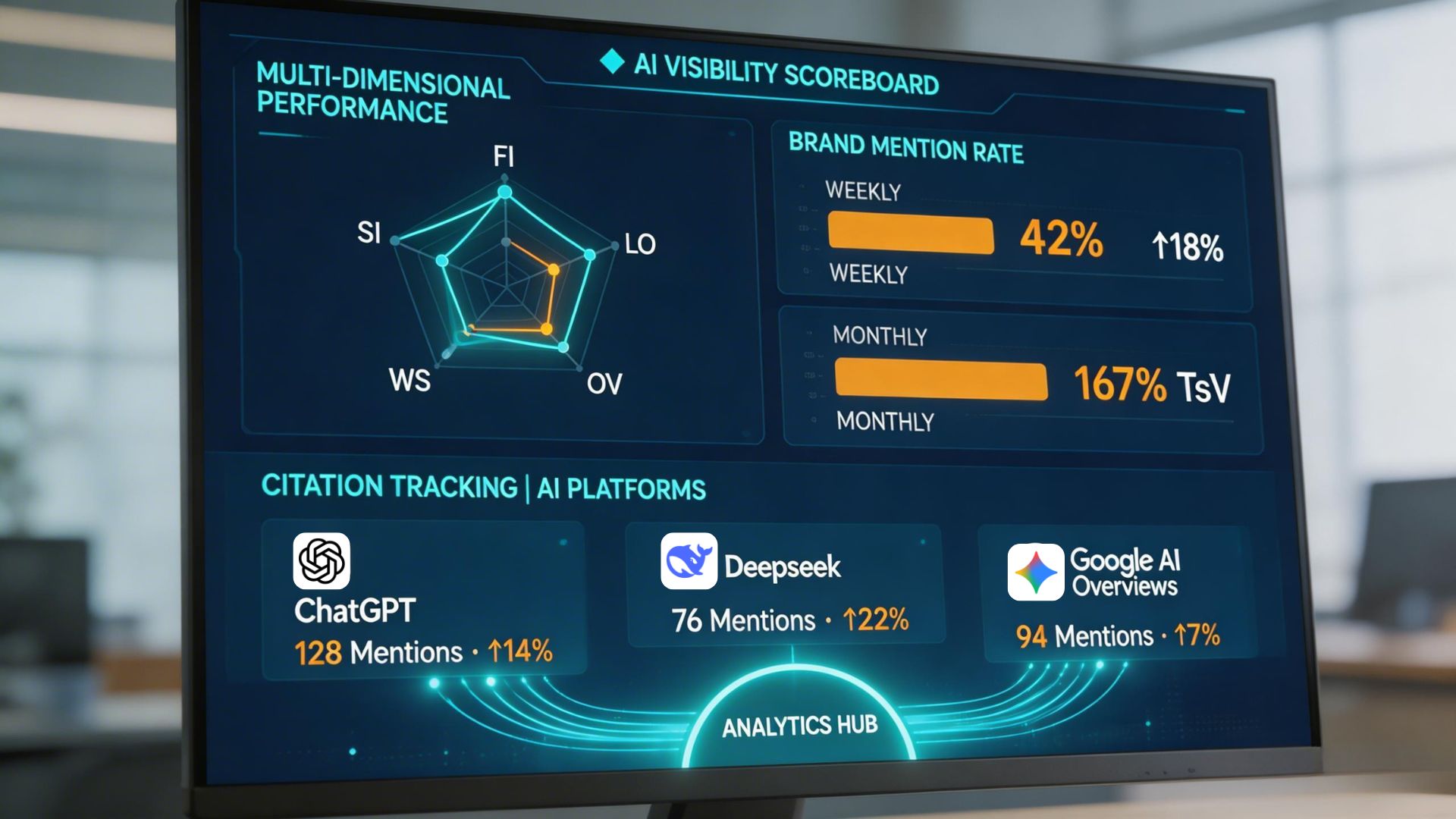
Your enterprise needs dedicated AI visibility tools built for Generative Engine Optimization (GEO), not just traditional SEO metrics. We'll walk you through setting up visibility infrastructure that tracks your brand on ChatGPT, Gemini, and AI Overviews using multi-dimensional scoring.
Deep research into AI search platforms has uncovered systematic patterns in how AI select and cite their sources. These AI systems don't choose references randomly; indeed, they follow distinct three-stage processes that favor specific domains, content types, and authority signals. Understanding these AI Citation mechanisms is essential for anyone pursuing AI Visibility through Generative Engine Optimization (GEO).
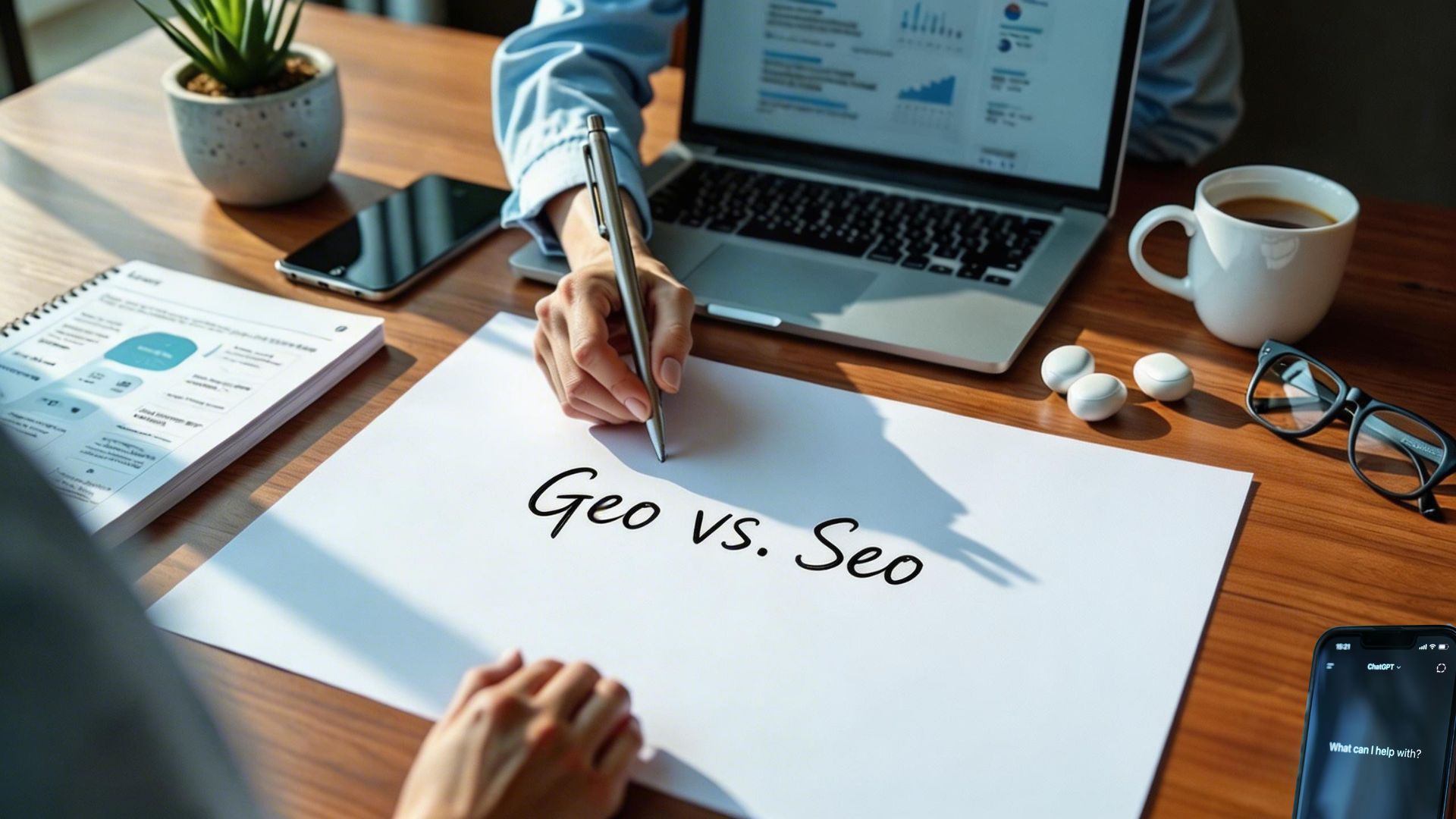
The GEO vs SEO conversation is no longer theoretical. AI Overviews now appear in 13.14% of all search queries, doubling from 6.49% in January 2025. 90% of businesses are concerned about SEO's future as AI reshapes how users find information. Here's what we know: SEO remains your foundation for digital visibility, but generative engine optimization (GEO) is now critical for reaching audiences on AI-powered platforms. Your brand needs both. We'll break down the differences between SEO and GEO and
Three SEO trends reshape brand visibility as AI Overviews now trigger on 25.11% of Google searches, up from 6.49% in January 2025. So AI search traffic has surged 300% year-over-year, with ChatGPT commanding 87.4% of AI referral traffic. This transformation needs new approaches to ai search engine optimization as traditional ranking metrics fail to capture brand performance in AI-generated answers.